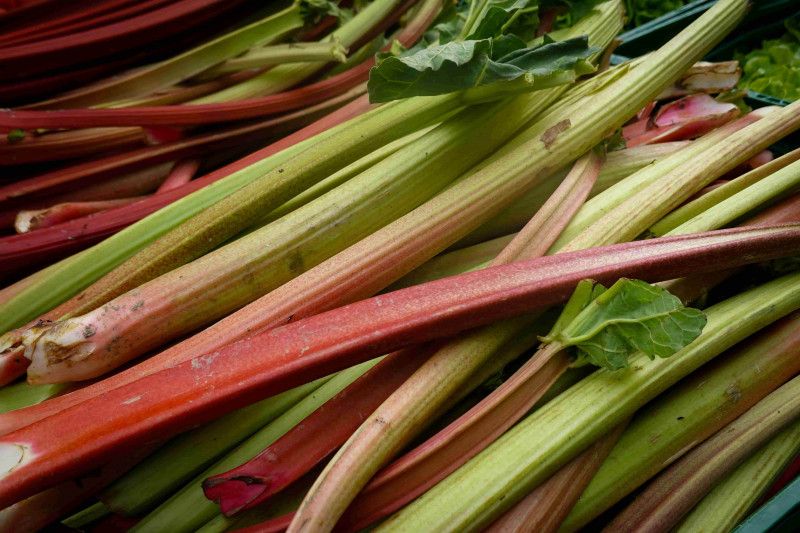
As the mid-winter chill begins to settle, the city of Wakefield prepares for its most vibrant and unique tradition. From Friday 20th to Sunday 22nd February 2026, the streets will transform for the annual Wakefield Rhubarb Festival.
While the festival is a celebration of our heritage as a corner of the world-famous "Rhubarb Triangle," it also serves as a perfect lens through which to view the city’s modern identity. For those considering a move to West Yorkshire, the festival highlights exactly why Wakefield has become a premier destination for "commuter living": a blend of rich local culture, exceptional connectivity, and a quality of life that is increasingly hard to match in larger metropolitan hubs.
The Heritage: Why Rhubarb?
To understand Wakefield’s appeal, one must understand its roots. The Rhubarb Triangle—a nine-square-mile area between Wakefield, Morley, and Rothwell—once produced 90% of the world’s winter-forced rhubarb. Historically, the industry thrived due to the nitrogen-rich "shoddy" (wool waste) from local mills and cheap coal from Yorkshire mines to heat the forcing sheds.
Today, Yorkshire Forced Rhubarb holds Protected Designation of Origin (PDO) status, placing it alongside Champagne and Parma Ham. The festival celebrates this "pink gold" with over 50 traders, chef demonstrations at the Wakefield Exchange (WX), and a dedicated food and drink trail. It is a testament to a city that honors its past while fostering a lively, modern community.
The Commuter Advantage: Connectivity in 2026
While the "Rhubarb Express" trains once sped fresh produce to London’s Covent Garden, today’s rail links serve a different purpose: professional mobility.
In 2026, Wakefield remains one of the best-connected cities in the North. For professionals working in Leeds, the commute from Wakefield Westgate is a remarkable 12 to 15 minutes. With over 280 trains running daily, residents enjoy a "city-fringe" lifestyle without the city-centre price tag.
Furthermore, Wakefield’s position on the East Coast Main Line means you can be in London King's Cross in under two hours, making it a strategic hub for those with hybrid working patterns that require occasional travel to the capital.
Where to Plant Your Roots: Key Residential Pockets
The beauty of Wakefield lies in its variety. Whether you are looking for a historic period property or a sleek new build, there is a "sweet spot" for every buyer:
Sandal & Walton: To the south, Sandal offers a prestigious residential feel. With the ruins of Sandal Castle and the expansive Pugneys Country Park nearby, it is the go-to for families seeking green space and "Outstanding" rated schooling.
Outwood & Wrenthorpe: To the north, these areas are perfect for the Leeds-bound commuter. Outwood even boasts its own station, providing direct access to Leeds and Doncaster, with a housing stock that offers exceptional value for first-time buyers and growing families.
Horbury & Ossett: These bustling market towns to the west offer a distinct community feel. They are famous for their independent high streets and "village-within-a-city" atmosphere, ideal for those who want to step away from the urban hum at the end of the day.
The Value Gap: 2026 Market Insights
As of early 2026, the average house price in Wakefield stands at approximately £198,000 for a semi-detached home and £157,000 for a terrace. Compared to the Leeds average of roughly £240,000, the "Wakefield Discount" allows buyers to secure significantly more square footage—often an extra bedroom or a larger garden—without sacrificing a quick commute.
The Wakefield Housing Plan 2023–2026 has also spurred regeneration across the city, particularly in the City Fields development and the Wakefield Exchange, ensuring that infrastructure keeps pace with the growing population.
Experience the Lifestyle This February
If you are planning to visit the Rhubarb Festival this year, we encourage you to look beyond the stalls. Take a walk through the Cathedral Precinct, explore the contemporary art at The Hepworth Wakefield, or drive five minutes out of the centre to see the leafy suburbs of Sandal or Wrenthorpe.
The festival is more than just a celebration of a vegetable; it is a showcase of Wakefield's warmth, its independent spirit, and its viability as a long-term home.