As the daffodils begin to bloom across the Wharfe Valley and the property market prepares for its annual spring surge, there is one acronym on every savvy buyer’s mind in 2026: EPC.
The Energy Performance Certificate has evolved from a mandatory piece of "paperwork" into a powerful marketing asset. In a year where energy costs remain a top household concern and the government has introduced the 2026 EPC Reform, your home’s efficiency rating can be the difference between a quick sale at a premium and a property that lingers on the market.
For West Yorkshire homeowners—particularly those in our region’s beautiful but often "breezy" Victorian terraces and stone cottages—boosting your EPC is about more than just a certificate; it’s about future-proofing your investment.
1. The 2026 Shift: Why EPC Ratings Matter More Than Ever
Previously, EPCs were primarily based on estimated fuel costs. However, under the new 2026 Reform, ratings are now calculated using four key metrics: Fabric Performance, Heating System, Smart Readiness, and Energy Costs.
This change specifically rewards homes that "hold" their heat. For buyers in 2026, a Band C rating is the new "Gold Standard." Many mortgage lenders now offer "Green Mortgages" with lower interest rates for properties in Bands A through C, making your home significantly more affordable for a buyer to finance.
2. The "Fabric First" Approach
Under the 2026 metrics, "Fabric Performance" is king. This refers to how well your home’s walls, roof, and floors retain energy.
Loft Insulation: This remains the most cost-effective win. In 2026, the recommended depth is 270mm. If your insulation is original or compressed, topping it up can lift your score by several points for a relatively small investment.
Cavity Wall Insulation: For homes built after the 1920s, this is a "no-brainer" that can be completed in a few hours.
Draught-Proofing: Don’t underestimate the power of the "Yorkshire draught." Modern draught-proofing for letterboxes, chimneys, and floorboards can improve your home's "Smart Readiness" and comfort score, which is a key qualitative factor during spring viewings.
3. High-Performance Glazing
In 2026, single glazing is increasingly seen as a liability. Upgrading to modern double or triple glazing with warm-edge spacer technology (which reduces condensation) can improve your EPC score by 5–10 points.
If you live in a conservation area, such as parts of Saltaire or Ilkley, where full window replacement is restricted, look into high-quality secondary glazing. The new EPC metrics now better recognize the thermal benefits of these secondary systems.
4. Modernizing the "Heart of the Home"
The heating system is the second-most influential metric in the 2026 assessment.
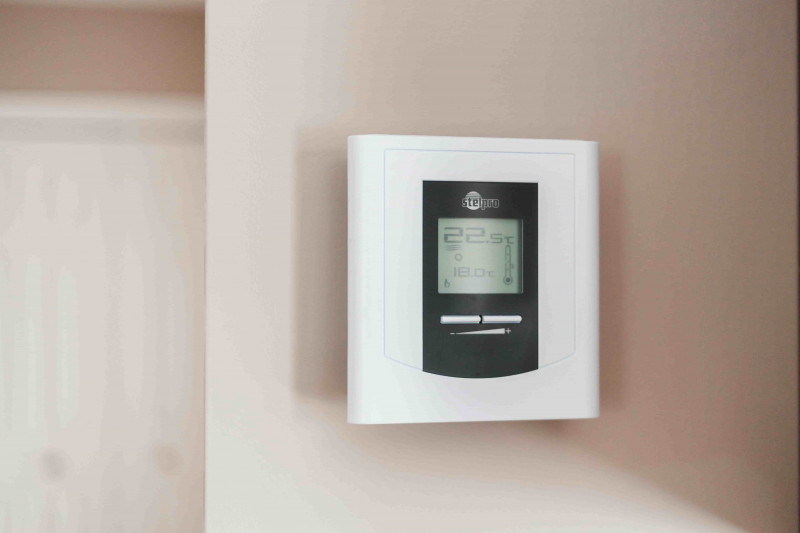
Smart Controls: If you haven’t already, installing a smart thermostat and Thermostatic Radiator Valves (TRVs) on every radiator is a quick way to boost your "Smart Readiness" score.
The Boiler vs. Heat Pump Debate: If your boiler is over 15 years old, it is likely dragging your rating down. While the Boiler Upgrade Scheme (BUS) continues to offer grants for heat pumps (now up to £7,500 in 2026), even a modern A-rated condensing boiler can significantly lift a property from a Band D to a Band C.
5. Local Support: Home Energy West Yorkshire
One of the best resources for local sellers in 2026 is the Home Energy West Yorkshire service. Launched by the Mayor’s office, this service provides free, impartial advice specifically for residents in Leeds, Bradford, Kirklees, Calderdale, and Wakefield.
They can point you toward regional grants, such as the Warm Homes: Local Grant, which helps homeowners with a rating of D or lower fund insulation and low-carbon heating. Utilizing these local schemes not only saves you money on the upgrades but allows you to market your home as "Professionally Retrofitted," a phrase that carries immense weight in the 2026 market.
Summary: The Value of a "C"
Data from early 2026 shows that West Yorkshire homes with an EPC rating of C or above are selling up to 15% faster than those in lower bands. Buyers are looking for "turnkey" efficiency—they want to know that when they move in, their utility bills will be predictable and their home will be warm.
By spending this spring focusing on your home's "fabric and flow," you aren't just ticking a legal box; you are putting your property at the front of the queue.