West Yorkshire, a region steeped in history and industry, boasts a diverse architectural landscape that reflects its rich heritage and dynamic evolution. From the grand Victorian terraces of Leeds to the contemporary structures of Bradford, the region's buildings tell stories of prosperity, innovation, and social change.
Victorian Era (1837-1901)
The Victorian era was a period of significant industrial growth in West Yorkshire, and its architecture reflects this prosperity. Large towns and cities like Leeds and Bradford expanded rapidly, leading to the construction of numerous terraced houses, factories, and public buildings.
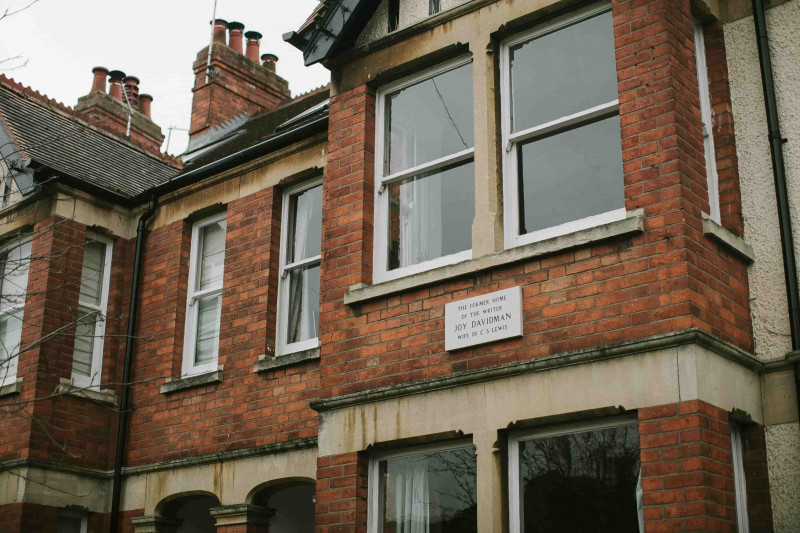
Terraced Houses: These iconic structures, characterized by their rows of attached houses with shared walls, became a hallmark of Victorian urban development. They were typically three or four stories tall, with brick facades and slate roofs. Many retained original features such as bay windows, decorative brickwork, and cast-iron balconies.
Public Buildings: The Victorian era also saw the construction of grand public buildings, including town halls, libraries, and railway stations. These structures were often built in ornate architectural styles such as Gothic Revival and Italianate, showcasing the wealth and ambition of the region's industrialists.
Edwardian and Interwar Periods (1901-1939)
The Edwardian and interwar periods witnessed a continuation of the trends established in the Victorian era, with a focus on domestic architecture and suburban development.
Arts and Crafts Movement: This movement, which emphasized simplicity and craftsmanship, influenced the design of many Edwardian homes. These houses often featured half-timbered construction, leaded light windows, and Arts and Crafts-inspired interiors.
Interwar Housing: The interwar period saw the rise of mass-produced housing, with semi-detached and terraced houses becoming increasingly common. These homes were often built in a variety of styles, including Art Deco and Neo-Georgian.
Post-War Modernism (1945-Present)
The post-war period ushered in a new era of architectural experimentation, with modernist principles influencing the design of many buildings.
Modernist Architecture: Characterized by clean lines, open floor plans, and the use of concrete and glass, modernist buildings became increasingly prevalent in West Yorkshire. Notable examples include the City Varieties Music Hall in Leeds and the Bradford City Hall.
Contemporary Architecture: In recent decades, West Yorkshire has seen the emergence of a vibrant contemporary architectural scene. Innovative and sustainable designs are redefining the region's skyline, with projects such as the Leeds Arena and the Piece Hall in Halifax showcasing the latest trends in architecture.
Conclusion
West Yorkshire's architectural landscape is a testament to its rich history and dynamic evolution. From the grand Victorian terraces to the contemporary structures of today, the region's buildings offer a fascinating glimpse into its past, present, and future. As West Yorkshire continues to grow and evolve, its architectural landscape will undoubtedly continue to inspire and amaze.
Additional Notes:
- The architectural styles of West Yorkshire are not limited to the categories mentioned above. Other notable styles include Georgian, Tudor, and Arts and Crafts.
- Many of West Yorkshire's historic buildings have been restored and repurposed, preserving the region's architectural heritage while adapting to modern needs.
- The region's diverse architectural landscape contributes to its unique character and identity.