As the days grow longer and the West Yorkshire sun shines brighter, thoughts often turn to enjoying the warmth and outdoor activities. However, this delightful season can also bring rising energy bills as we strive to keep our homes comfortably cool. Embracing energy-efficient practices during the summer months not only reduces your carbon footprint but also translates into significant cost savings. This blog post explores practical and effective strategies for maintaining a cool and energy-efficient home throughout the sunny season.
Harnessing Natural Cooling Strategies:
Before resorting to energy-intensive cooling systems, consider leveraging natural methods to keep your home comfortable.
- Strategic Ventilation: Take advantage of cooler morning and evening air by opening windows and doors to create cross-ventilation. Position fans strategically to help circulate this cooler air throughout your home. Remember to close windows and blinds during the hottest parts of the day to trap the cooler air inside.
- Night Purging: On cooler summer nights, open windows wide to allow cooler air to flush out the warmer air trapped inside during the day. Close them again before the temperature starts to rise in the morning.
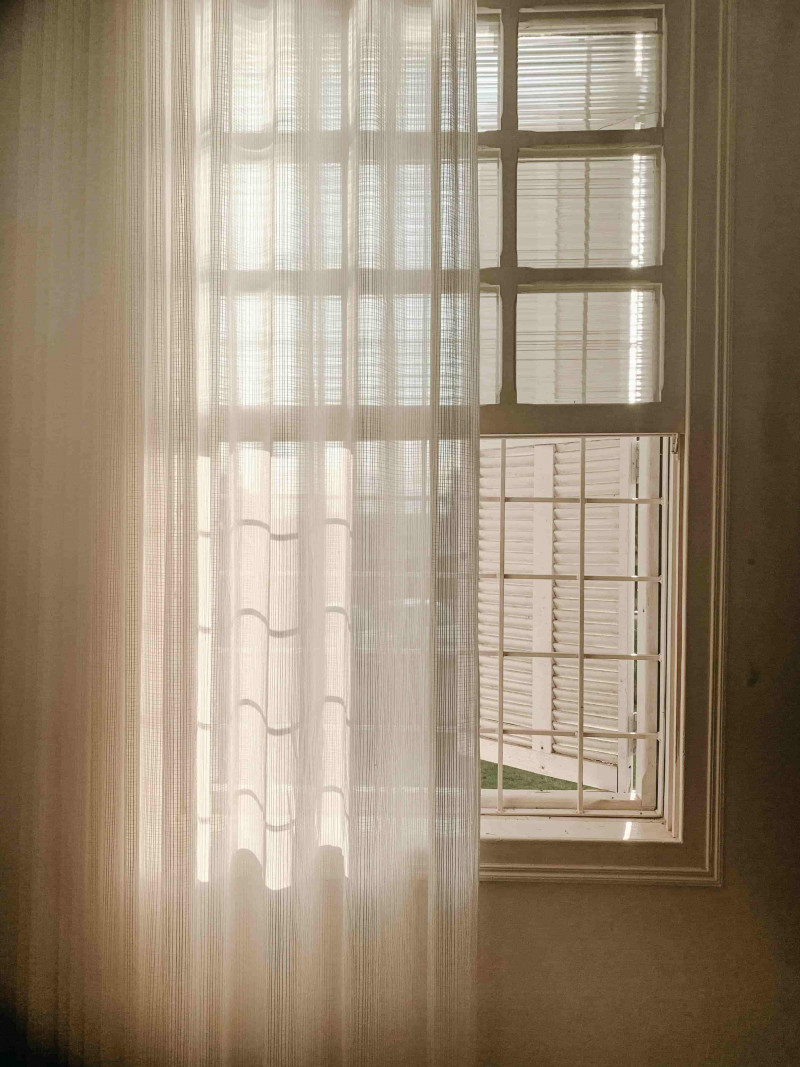
- Utilizing Blinds, Curtains, and Shutters: During the day, especially on south and west-facing windows, close blinds, curtains, or shutters to block direct sunlight. This simple action can significantly reduce the amount of heat entering your home. Consider using light-colored or reflective window coverings to maximize heat reflection.
- Planting Deciduous Trees and Vines: If landscaping is an option, planting deciduous trees or climbing vines on south and west-facing walls can provide natural shade during the summer months, reducing solar heat gain. They will then lose their leaves in the winter, allowing sunlight to warm your home.
Optimizing Your Cooling Systems:
When mechanical cooling is necessary, ensure your systems are operating efficiently.
- Regular Air Conditioner Maintenance: If you have air conditioning, schedule annual professional maintenance to ensure it's running optimally. Clean or replace air filters regularly (at least every 1-3 months) as dirty filters restrict airflow and reduce efficiency, forcing your unit to work harder and consume more energy.
- Smart Thermostat Usage: Install and program a smart thermostat to automatically adjust the temperature based on your schedule and occupancy. This prevents unnecessary cooling when you're away or asleep. Consider raising the thermostat temperature a few degrees when you're not home; even a small adjustment can lead to noticeable energy savings.
- Ceiling Fans for Circulation: Use ceiling fans in conjunction with your air conditioning. Ceiling fans don't cool the air itself, but they create a breeze that can make you feel cooler, allowing you to set your thermostat a few degrees higher and save energy. Remember to set the fan direction to counter-clockwise in the summer to push cool air down.
- Portable Fans for Targeted Cooling: Utilize portable fans to cool specific rooms you're occupying rather than cooling the entire house. This targeted approach can be more energy-efficient.
Reducing Internal Heat Gain:
Many everyday activities generate heat inside your home, making your cooling systems work harder.
- Minimize Appliance Usage During Peak Heat: Avoid using heat-generating appliances like ovens, clothes dryers, and dishwashers during the hottest parts of the day. Opt for cooler cooking methods like grilling outdoors or using a microwave. Run laundry and dishwashers in the evening or early morning.
- Energy-Efficient Lighting: Switch to energy-efficient LED light bulbs. Incandescent bulbs generate a significant amount of heat, contributing to your home's cooling load. LEDs produce very little heat and consume significantly less energy.
- Unplug Electronics: Even when turned off, many electronic devices continue to draw "phantom" power and generate heat. Unplug chargers, televisions, and other electronics when they are not in use. Consider using power strips and turning them off to cut off power to multiple devices at once.
- Limit Hot Water Usage: Hot water heaters are a significant energy consumer. Take shorter, cooler showers and consider washing clothes in cold water whenever possible.
Home Improvements for Long-Term Efficiency:
While the above tips offer immediate energy savings, certain home improvements can provide long-term benefits.
- Improve Insulation: Ensure your home has adequate insulation in the attic, walls, and crawl spaces. Proper insulation prevents heat from entering your home in the summer and escaping in the winter, leading to significant energy savings year-round.
- Seal Air Leaks: Identify and seal air leaks around windows, doors, pipes, and electrical outlets using caulk or weather stripping. These leaks allow hot air to enter and cool air to escape, forcing your cooling system to work harder.
- Consider Energy-Efficient Windows: If your windows are old or inefficient, consider replacing them with energy-efficient, double-paned windows with low-emissivity (low-E) coatings. These windows help to reduce heat transfer.
By implementing these energy-efficient strategies, West Yorkshire homeowners can effectively keep their homes cool and comfortable throughout the sunny summer months while significantly reducing their energy consumption and costs. Embracing these practices is not only beneficial for your wallet but also contributes to a more sustainable future.