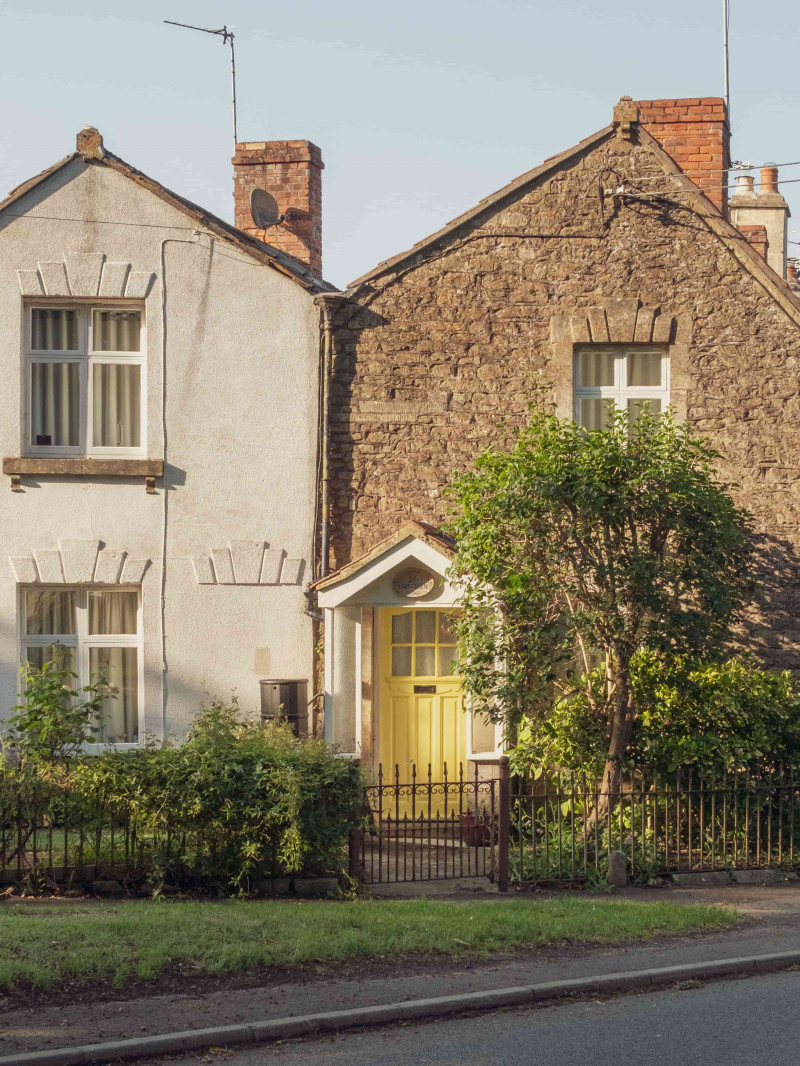
West Yorkshire’s iconic stone terraces are a staple of the regional property landscape. From the steep valleys of Calderdale to the commuter belts of Kirklees and Leeds, Victorian and Edwardian terraces offer low entry prices, architectural charm, and strong tenant demand.
However, behind the characterful York stone facades lies a sharp financial dividing line. With trade labour costs up across the UK and energy compliance mandates tightening, calculating your Return on Investment (ROI) before making an offer is the difference between a profitable flip or buy-to-let and a debilitating financial money pit.
The Reality of West Yorkshire Terrace Renovation Costs
While West Yorkshire enjoys a relative trade discount compared to London and the South East, refurbishment costs on historic stone properties remain substantial.
The primary cost drivers for a standard 2-to-3-bedroom stone terrace break down as follows:
| Refurbishment Element | Typical Cost Range | Key Factors & Local Considerations |
| Full Electrical Rewire | £4,000 – £7,500 | Chasing into solid stone or lath-and-plaster internal walls. |
| New Central Heating System | £4,500 – £8,000 | Combi-boiler conversion, replacing lead/copper pipework. |
| Damp Proofing & Tanking | £3,000 – £7,500 | Cellar tanking, treating rising damp in porous York stone. |
| Roof & Chimney Repairs | £3,500 – £12,000 | Replacing slipped York slates, lead flashing, repointing chimneys. |
| New Kitchen & Bathroom | £12,000 – £22,000 | Mid-range, durable fixtures for rental or resale appeal. |
| Full Re-plastering & Decoration | £7,000 – £12,000 | Hack-back to brick/stone vs. skimming over existing plaster. |
| Total Full Refurbishment (Avg) | £35,000 – £65,000+ | Excludes structural extensions or loft conversions. |
The ROI Calculation: Fixer-Upper vs. Money Pit
To determine whether a terrace is a sound investment, you must calculate both the Capital Growth ROI (for flipping) and the Gross Rental Yield (for buy-to-let holding) against the Ceiling Price of the street.
Purchase Price + Total Renovation Costs + Frictional Costs (Stamp Duty, Legals, Holding)
= Total Capital Invested
Scenario A: The Profitable "Fixer-Upper" (e.g., Sowerby Bridge / Mirfield)
Purchase Price (Unmodernised): £110,000
Renovation Budget: £38,000
Frictional Costs (Holding, Legal, Stamp Duty): £6,000
Total Invested: £154,000
End Value (Post-Works / GDV): £185,000
Net Profit / Value Created: £31,000
Return on Capital Employed (ROCE): 20.1% (A clear "Fixer-Upper" success)
Scenario B: The "Money Pit" Trap (Over-Improving in a Low-Ceiling Area)
Purchase Price: £85,000
Unforeseen Structural Work (Roof, Tanking, Rewire): £52,000
Frictional Costs: £5,500
Total Invested: £142,500
Local Street Ceiling Price: £125,000
Net Loss: -£17,500 (A classic "Money Pit")
Red Flags That Turn Yorkshire Terraces into Money Pits
Victorian and stone terraces possess structural nuances that can destroy profit margins if overlooked during initial viewings:
Back-to-Back Layout Constraints: West Yorkshire has thousands of historic "back-to-back" terraces (particularly across Leeds and Bradford). Because these properties only have windows and drainage on one side, adding bathrooms, utility spaces, or gas flues requires complex internal rerouting that inflates plumbing costs.
Cellar Damp & Sub-Floor Rot: Unvented stone cellars directly beneath timber ground-floor joists frequently suffer from dry rot and severe dampness. Tanking a cellar to convert it into habitable space or to stop ground floor rot can easily add £8,000–£15,000 to a budget.
Stone Pointing and Roof Valley Leaks: Lime mortar on stone facades naturally degrades. Repointing stone terraces using correct breathability standards (lime, not modern cement) requires skilled masonry labour. Overflowing internal stone valley gutters can quietly decay internal timber frameworks over decades.
How to Guarantee a Positive Renovation ROI
To protect your margins when sourcing a fixer-upper across West Yorkshire:
Establish the Street Ceiling Price First: Check recent completed sales for immaculate 2–3 bed terraces within a 0.25-mile radius. Never assume your renovated property will break the neighborhood record price.
Maintain a Strict 15% Contingency: Material pricing has stabilized, but trade day-rates for plumbers, electricians, and plasterers have increased.
Always hold 15% of your total refurbishment budget unallocated for unexpected structural findings. Target Energy Efficiency Early: Upgrading insulation, installing efficient combi-boilers, and adding double glazing helps future-proof the property against strict Minimum Energy Efficiency Standards (MEES) for rental properties.
Summary
West Yorkshire stone terraces offer fantastic scope for value creation, but success depends entirely on disciplined math before exchanging contracts. By auditing structural risks early, setting realistic trade budgets, and respecting local street ceiling prices, you can confidently turn a run-down terrace into a high-yielding, profitable asset.