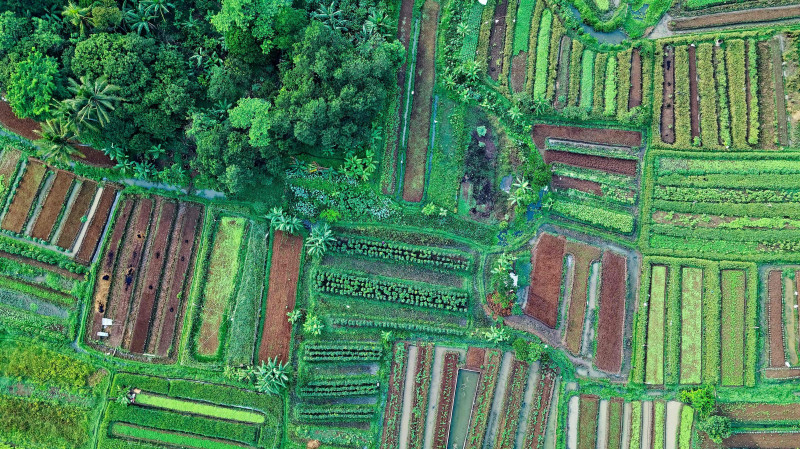
The landscape of West Yorkshire is changing—not just in its physical form, but in the very rules that govern its growth. As we move through February 2026, a new term has moved from planning jargon into the everyday vocabulary of homeowners and developers alike: the "Grey Belt." For West Yorkshire, a region defined by its delicate balance between industrial heritage and protected green space, these updates represent the most significant shift in land-use policy in a generation. Understanding these changes is essential, whether you are a homeowner curious about local development or a buyer looking for a sustainable "home for life."
Understanding the "Grey Belt"
Historically, land was often seen as a binary: it was either Brownfield (previously developed land) or Green Belt (protected land intended to prevent urban sprawl). However, decades of strict enforcement led to a paradox: high-quality natural spaces were protected, but so were "ugly" sites—derelict car parks, disused glasshouses, and pockets of land that offered little to no environmental or community value.
Under the 2024–2025 National Planning Policy Framework (NPPF) updates, these lower-value areas are now officially classified as Grey Belt.
What qualifies as Grey Belt in West Yorkshire?
Previously developed land within the Green Belt that has fallen into disuse.
Land that does not "strongly contribute" to the five purposes of the Green Belt (such as preventing towns from merging or checking urban sprawl).
Sustainable locations that are close to existing transport hubs but currently sit behind restrictive "Green" designations.
In areas like Kirklees and Leeds, local councils are now actively conducting "Green Belt Assessments" to identify these sites. For example, recent planning successes in Shelley and Shepley have shown that small-scale, high-quality developments can be unlocked on these sites to meet local housing needs without harming the region's rural character.
The "Golden Rules" of New Development
The move to unlock the Grey Belt isn't a "free-for-all" for developers. To ensure these new homes benefit the community, any major development on Grey Belt land must follow what the government calls the Golden Rules:
Affordable Housing: A minimum of 50% affordable housing is often the baseline for these sites (unless local viability suggests a different cap, usually no lower than 40%).
Infrastructure First: Developers must provide or fund the necessary doctors' surgeries, schools, and road improvements required to support the new population.
Green Space Access: Ironically, developing the Grey Belt often leads to better green space. These projects are required to create new, publicly accessible parks or enhance existing local nature reserves.
Spotlight on Sustainability: The Rise of Green Homes
It isn't just where we are building in West Yorkshire that is changing, but how. As of 2026, the region is becoming a leader in the "Green Home" revolution.
Developments currently completing in Horsforth, Menston, and Rastrick are moving away from the traditional gas-boiler model. We are seeing a surge in "Zero Gas" sites where air-source heat pumps and solar PV panels are standard features rather than optional extras.
Why this matters for West Yorkshire buyers:
Lower Running Costs: With energy efficiency at the heart of the "fabric-first" construction approach, these homes are significantly cheaper to heat during Yorkshire winters.
Future-Proofing: As the UK moves toward Net Zero, homes built to these high standards in 2026 will hold their value better than older, less efficient stock.
Biodiversity Net Gain: New planning laws now require a 10% Biodiversity Net Gain on every site. This means that a new development in a place like Castleford must actually result in more wildlife and better-quality greenery than existed on the site before construction began.
What This Means for Your Property Value
If you live near a site recently designated as Grey Belt, you may be concerned about the impact on your home’s value. However, the 2026 data suggests a different story.
When "grey and ugly" sites are replaced by high-quality, eco-friendly homes with integrated green spaces and improved local infrastructure, it often provides a "lift" to the entire neighbourhood. Well-planned growth brings better shops, improved bus routes, and a more vibrant community, which historically supports house prices in the surrounding area.
Conclusion
The transition from "Grey Belt" to Green Homes is about more than just hitting housing targets; it’s about making West Yorkshire a more sustainable and accessible place to live. By focusing on neglected land and prioritising eco-friendly construction, the region is ensuring that the homes of the future are as beautiful as the landscape that surrounds them.