As autumn temperatures drop across the UK, renters face a familiar seasonal dilemma: keeping their homes warm and comfortable without driving utility bills through the roof—or inadvertently causing property damage that jeopardises their tenancy deposit.
With energy costs remaining a major household expense, managing your flat’s thermal efficiency is essential. However, private tenants must balance comfort with lease agreements that prohibit structural alterations, permanent fixings, or changes to heating systems.
Fortunately, staying warm and protecting your deposit are not mutually exclusive. By using reversible, non-damaging insulation techniques and managing indoor humidity, you can maintain a cozy living space all winter long.
1. Master Non-Permanent Draft Exclusion
Drafts are one of the primary culprits behind heat loss in modern and period rental properties alike. Blocking cold air flow is the fastest way to raise the ambient temperature of a room without turning up the thermostat.
Use Free-Standing Draft Excluders: Place fabric roll draft excluders at the base of internal doors to trap heat inside active living spaces. Avoid adhesive door strips on painted surfaces, as removing them at the end of your tenancy can strip paint or varnish, resulting in deposit deductions.
Temporary Window Sealing: For older sash or single-glazed windows, use removable weather-stripping tape or temporary window insulation film. These plastic sheets apply directly to the window frame using mild double-sided tape and shrink-fit with a hairdryer to create an insulating air barrier. Always test a small hidden patch of paintwork first to ensure the tape removes cleanly.
Cover Unused Keyholes and Letterboxes: Simple magnetic or push-fit covers for keyholes and internal letterbox brushes block cold gusts without requiring screws or drills.
2. Leverage Thermal Textiles and Layering
Textiles act as an effective secondary layer of insulation, reducing radiant heat loss through cold walls, hard floors, and glass panes.
Hang Heavy Thermal Curtains: Uninsulated glass loses heat rapidly. Hang heavy, thermal-lined floor-length curtains over windows and external doors. To protect your deposit, use existing curtain rails or tension rods fitted inside the window recess—avoid drilling new brackets into walls.
Layer Rugs on Hard Flooring: Laminate, tile, and hardwood floors conduct cold air from subfloor voids. Covering high-traffic floor areas with thick wool or pile rugs traps an insulating layer of air beneath your feet, significantly altering how warm a room feels.
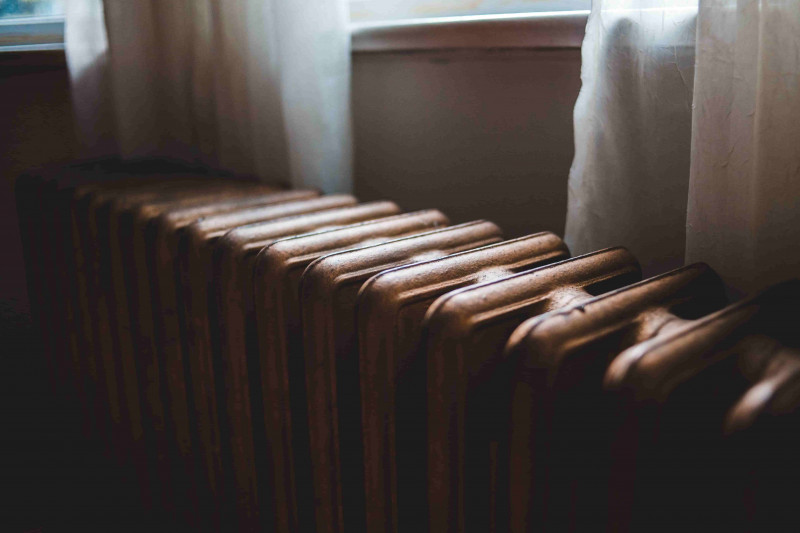
Keep Radiators Unobstructed: While heavy furniture and long drapes keep rooms warm, placing them directly in front of a radiator blocks heat from circulating. Position sofas and desks at least 30 cm away from heat sources to ensure warm air flows freely throughout the room.
3. Manage Ventilation to Prevent Mould and Damp
A common winter mistake made by tenants is sealing a property completely without managing internal moisture. Cooking, showering, and drying clothes indoors produce litres of airborne water vapour daily. When warm, moist air touches cold external walls or window glass, it condenses into water droplets, creating ideal conditions for black mould.
Under tenancy agreements, tenants are responsible for maintaining reasonable ventilation. Deposit deductions for mould remediation are common if damage results from lifestyle factors rather than structural disrepair.
| Activity | Moisture Risk | Preventive Action |
| Drying Clothes Indoors | High humidity spikes | Use a heated airer with a cover, or run a dehumidifier nearby |
| Showering & Cooking | Direct steam production | Run extractor fans; keep bathroom/kitchen doors closed during use |
| Daily Living | Cumulative moisture build-up | Open windows for 5–10 minutes daily (purge ventilation) |
Using a compact compressor or desiccant dehumidifier collects excess moisture, lowers relative humidity to the ideal 40–60% range, and makes dry air significantly faster and cheaper to heat.
4. Optimize Your Radiators Safely
Small, non-invasive adjustments to your heating setup can improve efficiency without violating your tenancy agreement.
Bleed Trapped Air: If a radiator feels cold at the top but hot at the bottom, air is trapped inside the system. Using a standard radiator key to release trapped air restores full heat distribution. This simple maintenance task keeps the heating system efficient and prevents boiler strain.
Use Removable Radiator Heat Reflectors: Placing reflective foil sheets behind exterior-wall radiators reflects heat back into the room rather than letting it escape through the brickwork. Choose magnetic or slip-in reflector panels that do not require permanent wall adhesives.
Enjoy a Warm, Hassle-Free Autumn
Taking a proactive, non-invasive approach to winter heating allows you to maintain a comfortable home, control energy consumption, and ensure a full deposit return at the end of your lease.
At Yellow Brick Road Estate Agents, we support tenants and landlords with clear guidance, fair maintenance standards, and high-quality rental properties across the region.