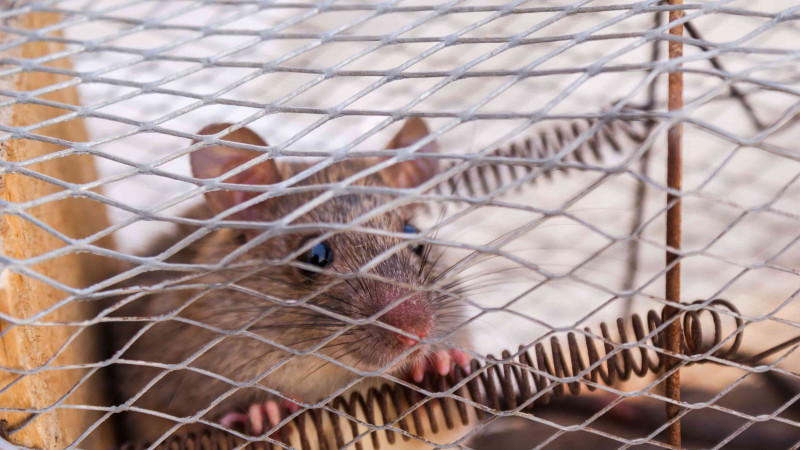
Securing a home—whether as a landlord expanding a letting portfolio or as a first-time buyer embarking on property ownership—represents a major financial commitment. Yet, one critical aspect of property preservation often gets overlooked during the excitement of purchase or tenant onboarding: proactive pest prevention and animal control.
Pest infestations cause far more than temporary inconvenience. From rodent-chewed wiring that creates fire hazards to damp-seeking insects that damage timber, uninvited wildlife can compromise structural integrity, breach health and safety regulations, and diminish a property's market value.
Establishing a robust pest prevention strategy from day one protects your asset and ensures a safe, healthy living environment.
1. Conduct a Thorough Exterior Perimeter Audit
The most effective way to manage pests is to prevent them from entering in the first place. Small entry points around a property act as open invitations for mice, rats, squirrels, and insects.
Seal Cracks and Crevices: Inspect the exterior brickwork, stonework, and foundation walls. Fill gaps around pipework, cable entries, and air vents using durable materials such as stainless steel mesh, wire wool, or hydraulic mortar. Mice can squeeze through gaps as small as 6 millimetres—roughly the width of a pencil.
Inspect Rooflines and Eaves: Birds, bats, and squirrels frequently target gaps in roof tiles, fascia boards, and soffits to nest in loft spaces. Repair loose slates and fit wire guards to open chimney flues or air bricks.
Maintain Vegetation and Drainage: Overhanging tree branches provide natural bridges for squirrels and rodents to access roof spaces. Keep trees pruned back from the building envelope, clear fallen leaves from gully drains, and ensure outdoor bins sit on hard, well-drained surfaces away from main entry doors.
2. Safeguard Interior High-Risk Zones
Inside the property, pests seek three basic necessities: food, water, and shelter. Kitchens, bathrooms, basements, and utility rooms are primary target zones.
Address Plumbing and Damp Leaks: Cockroaches, silverfish, and rodents thrive in damp environments. Fix leaking pipes under sinks, seal around baths and shower trays, and ensure basement areas are adequately ventilated to reduce ambient humidity.
Protect Food Storage and Waste Units: For first-time buyers settling into a new home or landlords setting up a tenant handbook, establishing proper waste discipline is vital. Ensure kitchen cabinetry is fitted tightly against walls, food is stored in airtight glass or thick plastic containers, and kitchen bins feature tight-fitting lids.
Inspect Subfloor Spaces and Joists: In older properties, subfloor voids provide ideal runways for pests. Ensure floorboards are securely fitted, and apply fine mesh over internal vent openings.
3. Landlord vs. Tenant Legal Responsibilities in Letting Properties
For landlords, pest management carries distinct legal obligations under housing standards and health and safety legislation.
Landlord Obligations: Properties must be fit for human habitation at the start of any tenancy. If an infestation exists before a tenant moves in—or stems from a structural defect like a broken drain or unsealed cavity wall—the landlord is legally obligated to resolve the issue at their own expense.
Tenant Responsibilities: Once a tenancy is underway, tenants are responsible for maintaining reasonable cleanliness. Infestations caused by poor hygiene, improper food storage, or accumulated rubbish inside or outside the property generally fall under tenant responsibility.
Proactive Tenancy Clauses: Including clear guidance in the tenancy agreement regarding waste disposal, pet hygiene, and prompt reporting of maintenance issues helps prevent small problems from escalating into severe infestations.
4. Key First-Time Buyer Checklist Before Exchange
If you are purchasing your first home, identifying potential pest vulnerabilities before completing the transaction saves significant stress and unexpected expense.
Review the Homebuyer Survey: Pay close attention to surveyor comments regarding timber decay, dampness, or evidence of wood-boring insects (such as woodworm).
Check the Loft Space: During viewings, inspect the attic for signs of activity—droppings, chewed insulation, shredded cardboard, or unusual odors often indicate current or former squirrel, bird, or rodent habitation.
Inquire About Property History: Ask the seller or estate agent about any history of pest treatment or damp proofing works, and request documentation for any warranties or professional guarantees.
Protect Your Property for the Long Term
Proactive pest prevention is an essential pillar of smart property management. By securing the exterior building envelope, addressing interior dampness and food access, and understanding your legal rights and duties, you protect both the financial value of your asset and the wellbeing of those who live inside it.
Whether welcoming your first tenants or stepping through the door of your first home, taking control of pest prevention early guarantees peace of mind for years to come.