As October arrives across West Yorkshire, the vibrant autumn leaves bring a sharp reminder that winter is fast approaching. From the wind-swept moorlands of the Calder Valley and Kirklees to the suburban streets of Leeds and Bradford, local properties face a unique combination of heavy Pennine rainfall, severe frost cycles, and high winds over the coming months.
Whether you own a traditional 19th-century millstone grit cottage, a Victorian brick terrace, or a modern detached family home, proactive maintenance in October is essential. Taking time to prepare your home now prevents costly emergency repairs, preserves energy efficiency, and protects your property's long-term market valuation.
Here is an essential October maintenance checklist tailored specifically for West Yorkshire property owners.
1. Clear and Inspect Rooflines, Gutters, and Downpipes
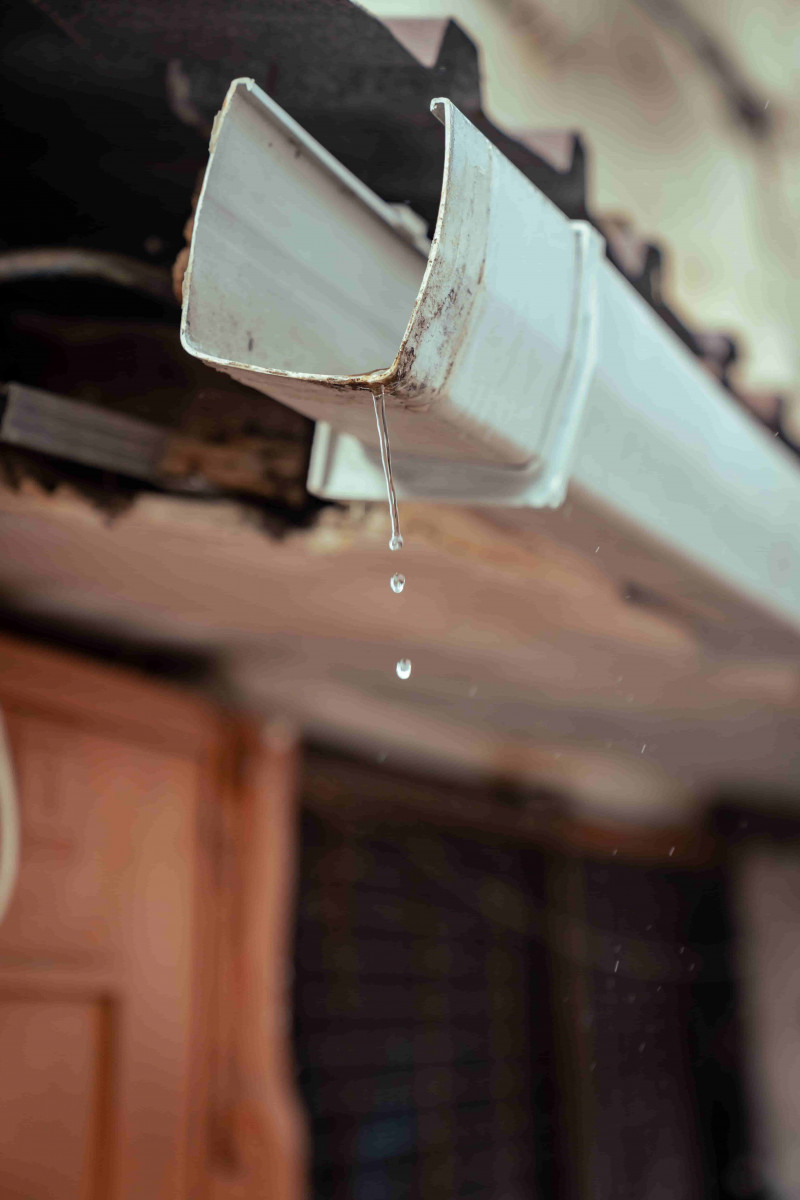
Falling leaves combined with heavy autumn downpours create the ideal conditions for blocked drainage systems. In West Yorkshire’s damp climate, overflowing gutters are one of the primary causes of penetrating damp and masonry damage.
Clear Debris: Remove leaves, moss, and silt from gutters, valley gutters, and gully drains.
Inspect Downpipes: Check that rainwater flows freely away from the base of the building. Ensure downpipe brackets are secure against strong Pennine gales.
Examine Masonry and Roof Tiles: Use binoculars or hire a professional to check for slipped slate, cracked stone tiles, or damaged pointing along chimney stacks and coping stones.
2. Service Heating Systems and Radiators
With temperatures dropping steadily, your central heating system will soon be operating continuously. A winter breakdown is not only uncomfortable—it can also lead to frozen pipes and severe water damage.
Book a Professional Service: Ensure your boiler is serviced annually by a Gas Safe registered engineer. A fully serviced boiler runs more efficiently, lowering utility bills during peak winter months.
Bleed Radiators: Air trapped inside your heating system creates cold spots at the top of radiators, forcing your boiler to work harder. Bleed all radiators to ensure even heat distribution.
Check Pipe Insulation: Inspect unheated spaces such as lofts, basements, and external garages. Fit foam pipe lagging to any exposed water pipes to prevent freezing and bursting during sudden winter frosts.
3. Check Windows, Doors, and Exterior Seals
Drafts not only reduce living comfort; they also drive up heating costs and allow moisture to penetrate building envelopes.
Inspect Window Seals: Check double-glazing unit seals for signs of failure, such as condensation trapped between glass panes. Replace damaged rubber seals or degraded silicone sealant around external window frames.
Examine Stonework and Pointing: Traditional West Yorkshire stone properties rely on breathable mortar. Check for cracked mortar or open joints in the stonework where driving rain could enter and freeze, causing spalling (surface flaking).
Fit Draught Excluders: Apply weather-stripping tape or draught excluders to older sash windows and timber doors to lock in heat.
4. Prepare Gardens, Outdoor Areas, and Outbuildings
High wind gusts across elevated parts of West Yorkshire can turn loose garden items into serious hazards for roofs, windows, and vehicles.
Prune Overhanging Trees: Trim back dead or overhanging branches that sit close to power lines, roof tiles, or gutters.
Secure Outdoor Structures and Furniture: Store garden furniture, barbecues, and potted plants inside sheds or garages. Ensure fence panels and garden gates are securely anchored.
Drain External Taps: Isolate the water supply to external garden taps and drain remaining water from the pipework to prevent freeze-thaw damage.
5. Review Home Safety and Energy Efficiency
As evenings lengthen, home security and fire safety should be audited alongside physical property maintenance.
Test Alarms: Test all smoke alarms and carbon monoxide detectors, replacing batteries as needed. Carbon monoxide risks increase during autumn when boilers and log burners are restarted after months of inactivity.
Inspect Chimneys and Flues: If your property features an open hearth or log-burning stove, have the chimney swept by a certified sweep before lighting the first fire of the season to prevent chimney fires.
Check Outdoor Lighting: Ensure motion-sensor security lights and porch lamps are fully operational to illuminate steps, flagstone pathways, and driveways during dark late-afternoon returns.
Protecting Value Through the Seasons
Routine autumn maintenance is an investment in your home’s future stability. Addressing minor repairs in October prevents small issues from escalating into major structural damp or heating emergencies during the depths of winter.
For property owners considering a move in the coming year, a well-maintained home also makes a powerful impression on surveyors and prospective buyers alike, safeguarding your asset's true market value for years to come.