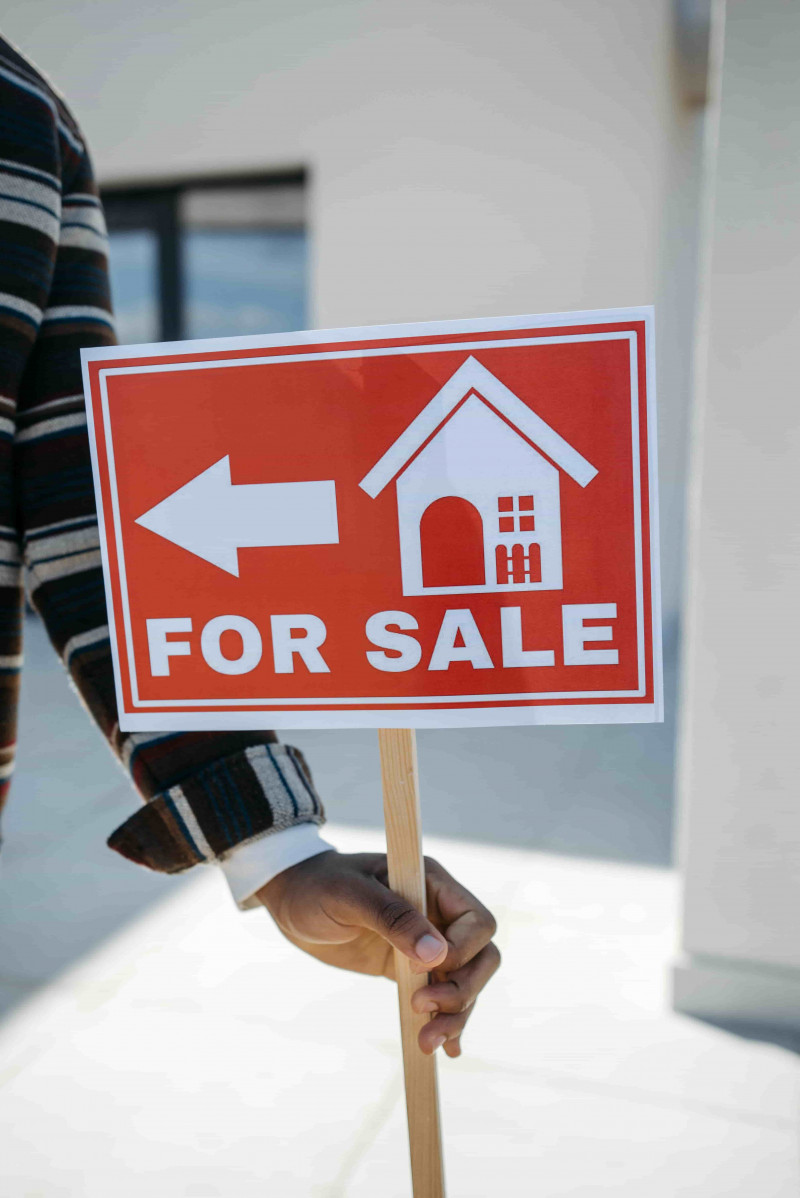
Whether you are looking to upsize for a growing family or capitalize on a long-term investment, the West Yorkshire property market in May 2026 presents a unique "perfect storm" of conditions. While the national headlines often fluctuate, our local region—encompassing the economic engines of Leeds and Bradford and the commuter hubs of Wakefield and Huddersfield—is currently operating in a high-velocity gear.
Here is why May 2026 is officially the "Seller’s Month" in West Yorkshire.
The "Spring Surge" Meets Economic Stability
The second quarter of 2026 has brought a sense of calm that the market hasn't seen in years. Following a period of volatility in the early 2020s, the Bank of England base rate has settled around 3.75%, providing the predictability that buyers crave.
For sellers, this means "mortgage-ready" buyers are out in force. In West Yorkshire, house prices have shown a steady annual growth of approximately 4.8%, outperforming many southern regions. May is the peak of this activity; with two bank holidays providing extra viewing time, the pool of motivated buyers reaches its maximum depth.
1. The "Space-for-Value" Magnet
As of May 2026, West Yorkshire remains a "beacon of value" for those moving north or relocating from city centers. With the average house price in the region sitting around £240,000, buyers are finding they can secure a traditional stone-fronted terrace in Morley or a semi-detached home in Pudsey for significantly less than a small flat in the South.
This "ripple effect" is driving intense competition for family homes. If you own a 3 or 4-bedroom property in suburbs like Horsforth, Roundhay, or Lindley, you are currently holding exactly what the most active buyer demographic—the "second-stepper"—is looking for.
2. Infrastructure as a Catalyst
Selling a home isn't just about the bricks and mortar; it’s about the future of the neighborhood. Several major West Yorkshire projects are reaching fruition this spring:
Wakefield’s KING Project: The completion of the Kirkgate Innovative Neighbourhood Gateway has revitalized the city center, making nearby residential sales surge.
The "Farsley Effect": The continued boom of independent retail and dining in Farsley is pushing prices up in surrounding areas like Stanningley and Calverley.
Rail Connectivity: With fast trains from Wakefield Westgate reaching Leeds in just 13 minutes, these commuter "hotspots" are seeing record-low days on market.
3. High Demand, Strategic Supply
While more stock has entered the market in early 2026 compared to last year, demand is still outpacing supply in key West Yorkshire postcodes. Data shows that terraced and semi-detached homes are outperforming flats by 3 to 4 percentage points annually.
For sellers, this means that while the market is "steady," it is still highly price-sensitive. Properties that are staged well—taking advantage of the May sunlight and spring curb appeal—and priced realistically are often seeing multiple offers within the first fortnight of listing.
Key Market Indicators (May 2026)
| Metric | West Yorkshire Average | Trend |
| Average House Price | £240,000 | 📈 +4.8% YoY |
| Avg. Time to Sell | 34 Days | 📉 Falling |
| Buyer Inquiries | High | 📈 +9% vs Jan |
| Typical Mortgage Rate | 3.8% - 4.2% | ↔️ Stabilized |
4. The Bank Holiday Advantage
May offers two distinct long weekends (Early May and Spring Bank Holiday). Historically, these are the periods when families sit down to make "life-move" decisions. By listing in early May, your property captures the attention of buyers who are using their time off to browse portals and book viewings.
Furthermore, properties photographed in May benefit from full tree canopies and blooming gardens—factors that subconsciously increase a buyer's emotional connection to a home.
Summary: Is it Time to List?
The "May Move" advantage in 2026 is built on three pillars: stabilized borrowing costs, local infrastructure milestones, and the sustained regional demand for family-sized housing. For West Yorkshire homeowners, the window is wide open to achieve a premium price before the summer holiday lull begins in July.