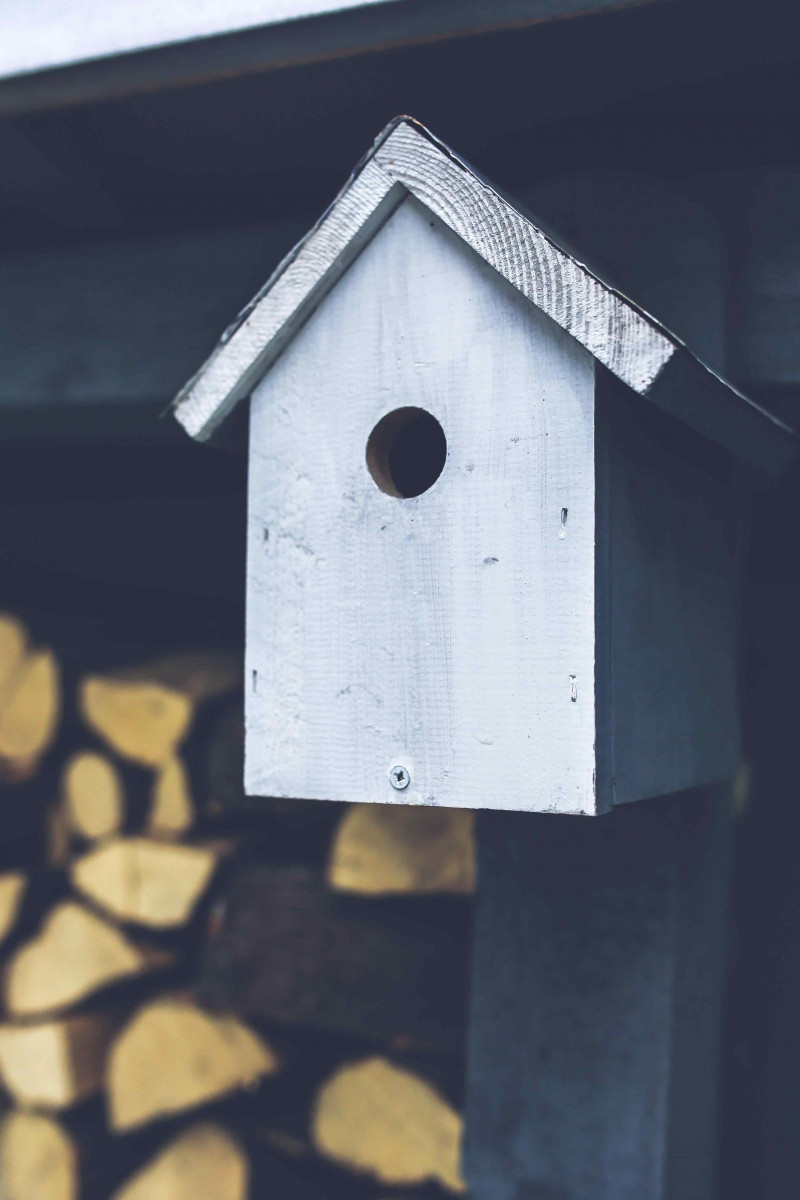
For decades, the “perfect” British garden was defined by its uniformity: a manicured lawn, neatly clipped privet hedges, and a strict absence of anything deemed a weed. However, as we move through the spring of 2026, a profound shift in West Yorkshire’s landscaping culture has taken root. The aesthetic of the "outdoor room" has evolved into the "outdoor ecosystem."
In the current property market, the "Wildlife-First" Garden is no longer just a hobby for conservationists; it is a premium selling point. Buyers—particularly the influx of families and young professionals moving to the greener fringes of Leeds, Bradford, and Huddersfield—are prioritizing sustainability and a tangible connection to nature.
Here is how the wildlife-first trend is reshaping West Yorkshire gardens this year, and why it is a smart investment for homeowners looking to sell.
Beyond the Lawn: The "Wild Meadow" Revolution
The pristine, chemical-heavy lawn is increasingly viewed as a "green desert" by 2026 buyers. In its place, we are seeing the rise of the mini-meadow. By incorporating native West Yorkshire wildflowers such as Yellow Rattle, Red Campion, and Oxeye Daisies, homeowners are creating vibrant, low-maintenance landscapes that thrive in our local soil.
From a real estate perspective, a wildflower meadow is a masterstroke in "curb appeal." While a traditional lawn requires weekly mowing and fertilizing, a meadow offers a changing tapestry of colors throughout the spring and summer. It signals to a buyer that the home is modern, eco-conscious, and—crucially—easier to maintain.
Structural Biodiversity: Hedgerows and Vertical Habitats
In 2026, the trend for "hard" landscaping (excessive paving and porcelain tiling) has cooled in favor of "soft" boundaries. Homeowners are replacing traditional timber fencing with native hedgerows. A mix of Hawthorn, Blackthorn, and Hazel provides more than just privacy; it creates a vital "wildlife corridor" for local species like the West Yorkshire hedgehog population, which has seen a heartening recovery thanks to these community-wide efforts.
For those with smaller urban plots in city centers like Wakefield or Leeds, vertical biodiversity is the solution. Living walls and trellises draped in Honeysuckle or Ivy provide nesting sites for birds while acting as natural insulation for the property, a feature that savvy buyers now look for on Home Condition Surveys.
Water Features with Purpose
In previous years, garden ponds were often viewed as a liability for sellers with young families. In 2026, however, the "Ecological Pool" or "Wildlife Scrape" has become a centerpiece. These are not the high-maintenance, chlorinated fountains of the past, but shallow, pebble-lined water features designed to support dragonflies, frogs, and birds.
A well-integrated water feature adds a sensory layer to a property viewing. The sound of moving water and the sight of local birdlife create an emotional "hook" for buyers, making the garden feel like a peaceful sanctuary away from the bustle of the M62 corridor.
The "Nectar-Rich" Planting Strategy
The 2026 planting palette is driven by the needs of pollinators. We are seeing a move away from "double-flowered" varieties (which look beautiful but offer no pollen) toward single-petal flowers that are accessible to bees and butterflies.
To appeal to the spring 2026 buyer, consider a "succession planting" strategy:
Early Spring: Hellebores and Crocuses provide the first vital food sources.
Mid-Spring: Fruit trees like the Yorkshire Ribston Pippin Apple offer stunning blossoms and attract pollinators.
Late Spring: Alliums and Foxgloves provide the height and architectural drama that photographers love for property listings.
Why "Wildlife-First" Matters for Resale Value
You might wonder if a "wild" garden looks untidy to a prospective buyer. The secret in 2026 is "Framed Wildness." This involves keeping the edges of the garden crisp—perhaps a mown path through a meadow or a neatly painted bench placed near a wild thicket. This shows the buyer that the garden is a deliberate, managed choice, rather than a result of neglect.
The benefits for sellers are threefold:
Lower Maintenance Costs: Native plants are hardier and require less water and expensive chemical intervention.
Sustainability Credentials: A biodiverse garden contributes to a property’s overall "Green Appeal," which is increasingly important as environmental impact becomes a factor in mortgage valuations.
Emotional Connection: A garden full of birdsong and butterflies feels "alive." It creates a positive first impression that a sterile, paved garden simply cannot match.
Final Thoughts
As we enjoy the West Yorkshire spring of 2026, the message from the market is clear: we want our homes to be part of the solution to climate change and biodiversity loss. A wildlife-first garden isn't just a trend; it's a reflection of our region's deep-rooted love for its natural landscape.
If you are thinking of selling your home this year, don't just "tidy" your garden—nurture it. A little more clover and a little less concrete could be the key to securing your asking price.