


As sub-zero temperatures and winter storms return to West Yorkshire, preparing rental properties for freezing conditions is crucial. Severe winter weather—from frozen pipes in period stone cottages to damp issues in modern apartments—can lead to costly emergency repairs, property damage, and increased energy bills.
Winter-proofing is a shared responsibility: landlords protect the long-term capital value of their investment, while tenants ensure a warm, comfortable, and energy-efficient living environment. Here is an essential guide for West Yorkshire landlords and tenants to safeguard rental homes ahead of freezing temperatures.
1. Protecting Pipework and Preventing Water Damage
Burst pipes caused by freezing temperatures remain one of the most common—and expensive—winter hazards for residential rentals.
For Landlords: Inspect all external pipework, unheated loft spaces, and basement areas before winter sets in. Ensure exposed pipes are fitted with high-quality foam pipe lagging. Inspect outdoor taps and fit insulated jackets, or ensure isolation valves are accessible.
For Tenants: Keep heating on a low background setting (around 12°C–15°C) even if leaving the property overnight or going away over the festive break. Leaving heating completely off during freezing snaps leaves pipes vulnerable to freezing and bursting. If you spot a dripping pipe or notice an unexpected drop in water pressure, notify your letting agent or landlord promptly.
2. Managing Heating Systems and Radiator Efficiency
An efficient heating system is essential for maintaining tenant comfort and preventing structural cold spots that lead to damp.
For Landlords: Schedule annual gas safety checks and boiler servicing ahead of the peak winter surge. Servicing ensures boilers run safely and efficiently, reducing the risk of mid-winter breakdowns. Providing tenants with clear operating manuals or quick digital guides for heating controls prevents misuse and reduces emergency call-outs.
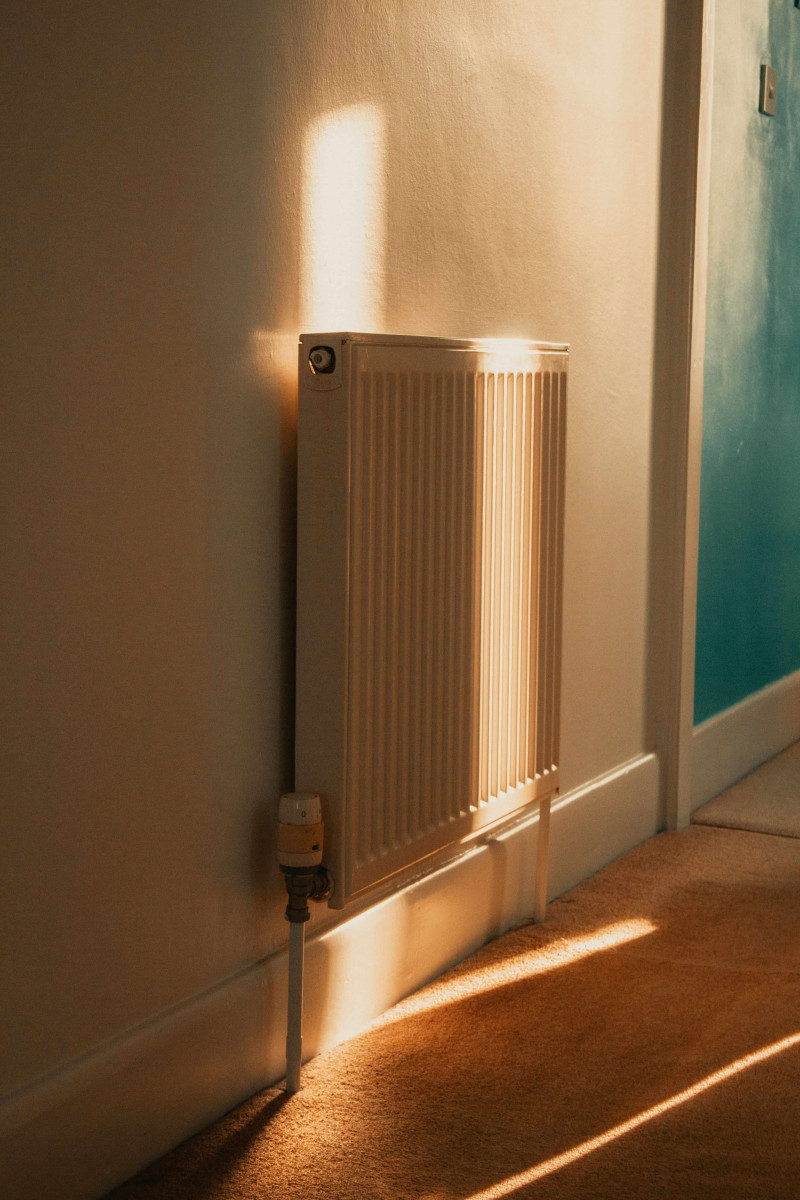
For Tenants: Bleed radiators if you notice cold spots at the top. Trapped air prevents heat from distributing evenly, causing boilers to work harder and driving up gas bills. Avoid placing large items of furniture directly against radiators, which blocks heat circulation throughout the room.
3. Controlling Condensation, Damp, and Mould
With higher heating costs, tenants naturally keep windows closed, leading to trapped indoor moisture from cooking, drying clothes, and bathing. In Yorkshire’s climate, unmanaged condensation quickly turns into black mould, damaging decor and plasterwork.
For Landlords: Ensure tricklevents on double-glazed windows are clear and functional, and verify that mechanical extractor fans in bathrooms and kitchens meet modern ventilation standards. Investing in high-efficiency extractor fans or positive input ventilation (PIV) systems protects property interiors long-term.
For Tenants: Use extractor fans whenever cooking or taking hot showers, and leave them running for 15–20 minutes afterward. Avoid drying laundry on radiators without ventilation; instead, use a drying rack in a well-ventilated room or a dehumidifier. Wipe away daily condensation from window sills to stop moisture from soaking into surrounding woodwork and walls.
4. Exterior Checks: Roofs, Gutters, and Draught Prevention
Yorkshire wind and rain put building exteriors to the test. Clearing drainage routes before freezing weather arrives prevents water back-ups and brickwork erosion.
For Landlords: Arrange for gutters and downpipes to be cleared of fallen autumn leaves and debris. Check roof tiles, flashing, and chimney stacks for pre-existing damage, as heavy frost and thaw cycles can expand small cracks into major leaks.
For Tenants: Keep outdoor gullies free from leaf clutter where accessible, and report any overflowing gutters or loose roof tiles after heavy downpours or high winds. Use removable draught excluders along chilly doors or window frames to keep living spaces cozy without making permanent alterations.
5. Clear Communication and Emergency Preparedness
When severe winter weather arrives, clear lines of communication between landlords, letting agents, and tenants make all the difference.
For Landlords & Agents: Supply tenants with an up-to-date winter emergency contact list, including emergency plumbing and heating contacts. Clearly outline where the main stopcock (water shut-off valve) is located so tenants can act quickly if a pipe leaks.
For Tenants: Locate your main water stopcock before an emergency happens (typically found under the kitchen sink or in a hallway cupboard). If you plan to be away for more than a few days during winter, notify your landlord or agent so routine checks can be arranged if necessary.
Protect Your Investment This Winter
A proactive approach to winter maintenance protects property values, keeps energy costs manageable, and ensures a safe, comfortable home throughout the colder months.


