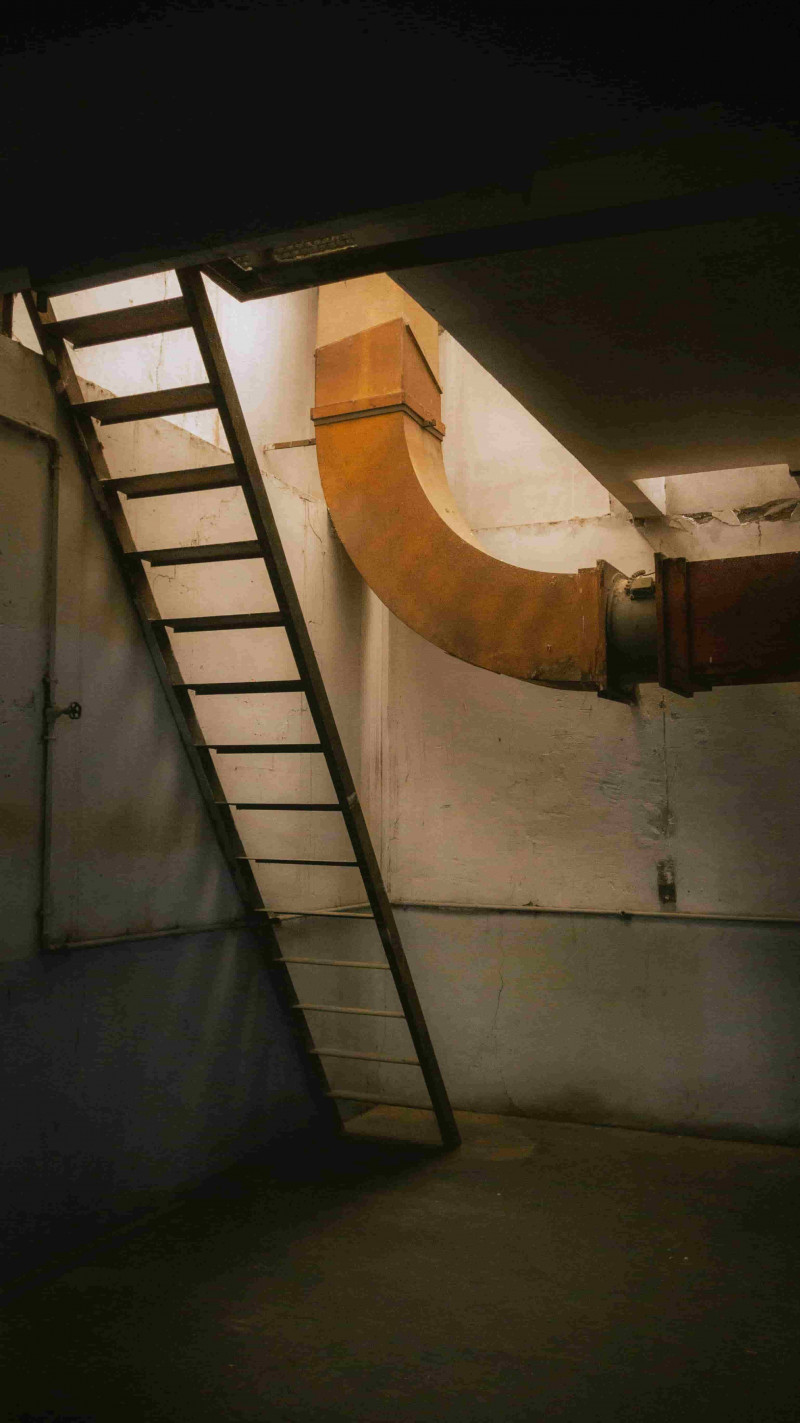
If you’ve been house-hunting in West Yorkshire, you’ll know that the "cellar" is almost as standard as a chimney. From the back-to-back terraces of Harehills to the grand Victorian villas of Harrogate and the stone-built cottages of the Colne Valley, these subterranean spaces are a staple of Northern architecture.
However, for many buyers—especially those moving from modern builds or the South—the sight of a dark, slightly damp basement can be more "horror movie" than "home office."
If you’ve just found your dream home but it comes with a coal cellar or a vaulted basement, don't panic. Here is the professional guide to understanding, inspecting, and valuing a West Yorkshire cellar in 2026.
1. The Golden Rule: Know the Difference Between "Cellar" and "Basement"
In the estate agency world, these terms are often used interchangeably, but legally and financially, they are worlds apart.
A Cellar: This is non-habitable space. It was originally built for storing coal, keeping food cool, or housing a boiler. It likely has lower head height (often under 2.1m) and lacks the insulation or fire-safety egress required for living.
A Basement: This is a habitable room. To be called a "basement" in a 2026 listing, the space should ideally meet Building Regulations Part L (Insulation) and Part F (Ventilation), and have a safe fire escape route.
The Strategy: If you are buying a 3-bed house where the 3rd bedroom is in the cellar, check the "Change of Use" certificates. If it hasn't been officially converted, you are effectively buying a 2-bed house with a fancy storage room.
2. Spotting the "Red Flags" During Your Viewing
You don't need to be a surveyor to spot the early warning signs of a "problem" cellar. When you head down the stairs, use your senses:
The Smell Test: A "musty" smell is common in old Yorkshire stone cellars, but a "sour" or sharp damp smell suggests active rot or stagnant water behind the walls.
The Salt Test: Look for "Efflorescence"—white, furry, or powdery marks on the brickwork. This isn't mould; it’s salt left behind when water evaporates. It’s a sign that moisture is moving through the walls.
The Timber Test: Check the "sole plates" (the wood at the bottom of the stairs) and the ceiling joists. If they feel soft or look like they have a white, cotton-wool-like growth, you could be looking at Dry Rot, which is an expensive fix.
3. The West Yorkshire "Hydrostatic" Challenge
Our region is famous for its hills, but those hills mean water. Many towns like Huddersfield, Halifax, and Hebden Bridge are built on steep inclines where water naturally flows downhill and presses against the "retaining" walls of your cellar.
This is called Hydrostatic Pressure. In heavy rain (which, let's face it, we get plenty of), this pressure can force water through the tiniest cracks in old masonry.
The Solution: Look for a Sump and Pump system. This is a small pit in the cellar floor with a pump that automatically kicks in to whisk water away before it can flood the floor. For a West Yorkshire cellar, a pump isn't a sign of a "bad" house; it’s a sign of a "well-managed" one.
4. To Tank or Not to Tank?
If you want to use the cellar for more than just storing your Christmas decorations, you’ll likely hear the term "tanking." In 2026, there are two main ways to do this:
Cementitious Tanking (The Barrier): Applying a waterproof "slurry" directly to the walls. This is cheaper (approx. £60 per m²) but can fail if the house settles or vibrates (common near Leeds’ busy rail and road links).
Cavity Drain Membrane (The Managed Flow): This is the "gold standard" for 2026. It involves a studded plastic membrane that lets the wall "breathe" while directing any moisture into a hidden drainage channel. It’s more expensive (often £15k–£30k for a full conversion) but is far more reliable for our climate.
5. The "Bonus Room" Potential
Despite the damp risks, a cellar is a massive asset. In a market where space is a premium, a dry cellar can add 10% to 15% to your property value.
In 2026, we are seeing a huge trend in West Yorkshire for "Hybrid Conversions"—where homeowners don't go for a full "habitable" bedroom (saving on the cost of digging out floors for head height) but instead create high-end utility rooms, wine cellars, or "Peloton rooms."
Summary: Your Buying Checklist
Survey First: Don't rely on a standard mortgage valuation. Get a RICS Level 3 Survey and specifically ask for a damp and timber assessment of the cellar.
Check the Floor: Is it original "beaten earth," stone flags, or modern concrete? Concrete is easier to manage but can sometimes "push" damp up into the walls of the floor above if not done correctly.
Ventilation: Look for "air bricks" at the top of the cellar walls. If they’ve been blocked up by previous owners to keep the house warm, the cellar will almost certainly be damp.